Size is part of the evidence.
Read Egyptian museum objects from millimetre detail to monumental system—and keep every viewing distance accountable.
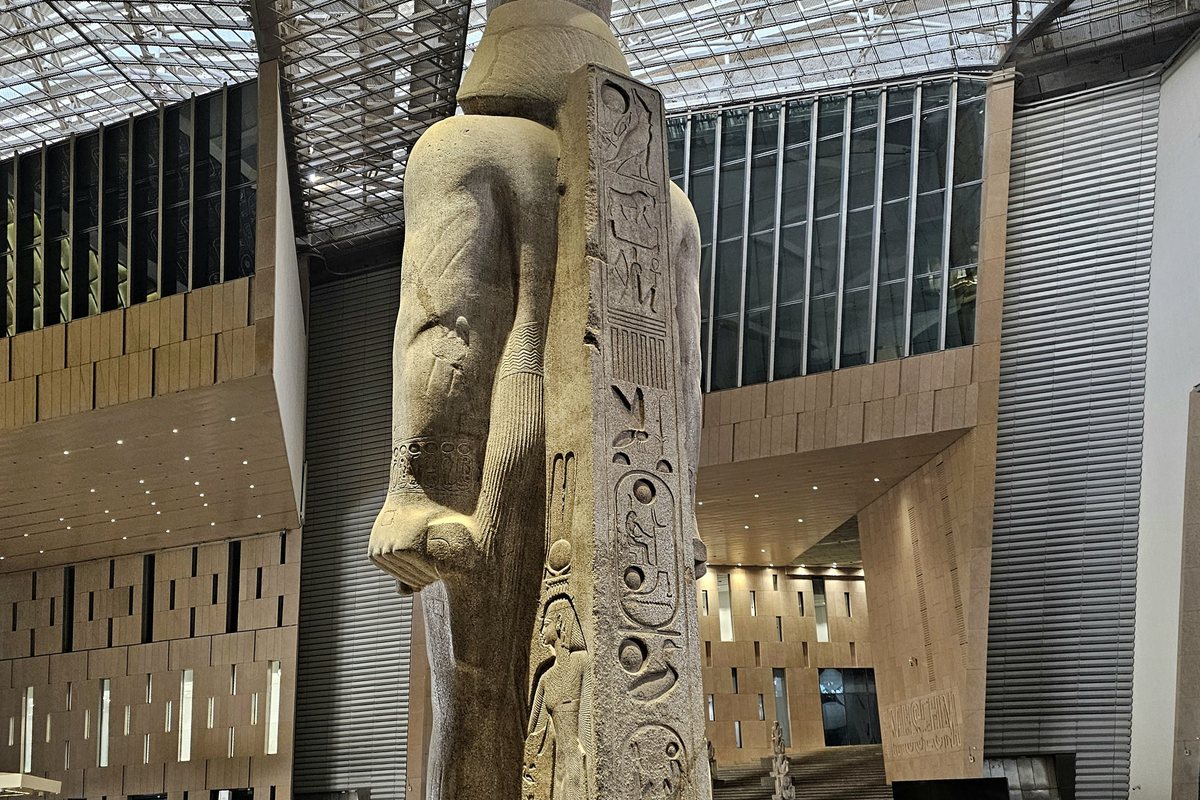
A mark, an object, a body, a room, a landscape.
Museum scale changes what can be made, moved, used, seen and preserved. No single photograph or viewpoint contains the whole history.
Six viewing scales
Move outward without losing the evidence you found close up.
DETAIL
Magnification can reveal a working trace while quietly removing scale, edge and context.
Read at scale →PALM
Amulets, beads and seals ask who carried, touched, threaded, stored and finally displayed them.
Read at scale →HAND
Handles, balance, openings and wear can suggest use when ergonomics stays tied to context.
Read at scale →BODY
Coffins, clothing and statues use human dimensions without simply reproducing a living person.
Read at scale →ROOM
Architecture, reconstructed groups and gallery circulation require movement, sequence and changing viewpoints.
Read at scale →MONUMENT
Height, mass, distance and infrastructure turn looking into a problem of landscape and coordinated work.
Read at scale →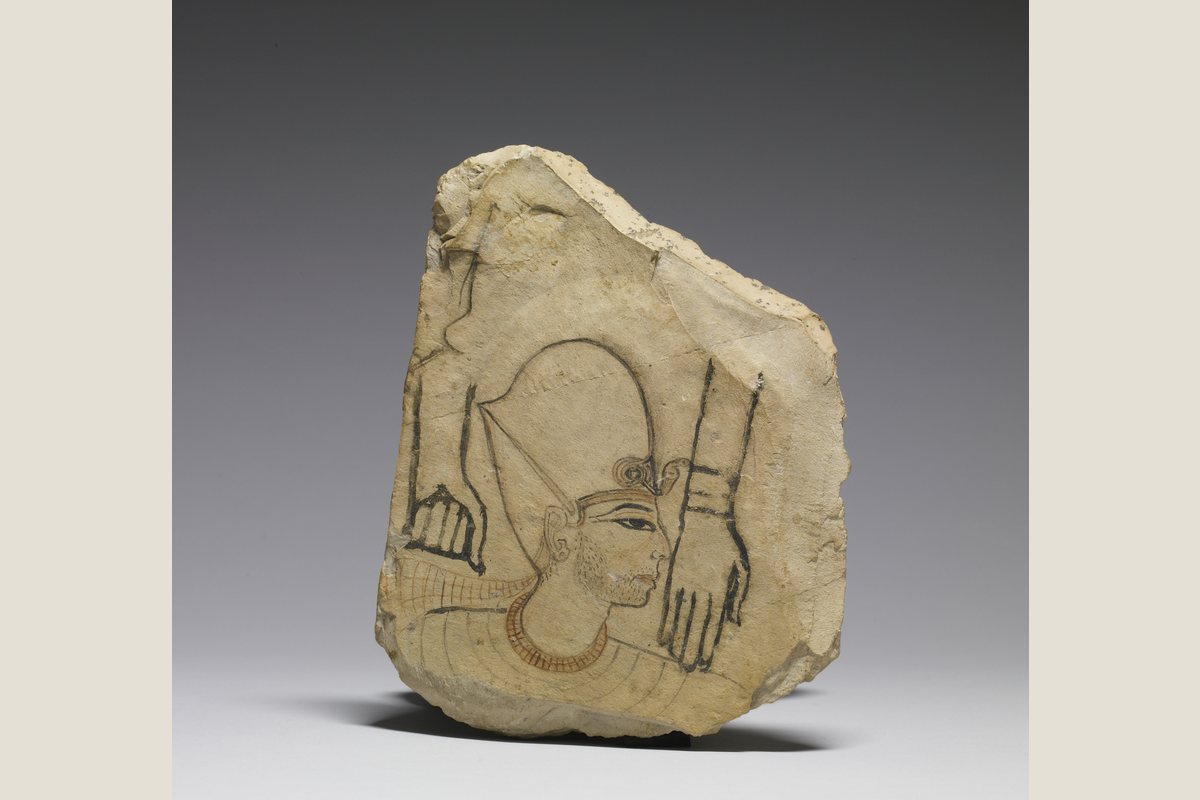
The detail is only half a note.
A close mark needs a support, physical size, position and viewing condition. Record the whole before the crop.
Read the detail guide →Proportion
Compare relationships, not imagined realism.
Open measure ↗02Weight
Make support and transport visible.
Open measure ↗03Distance
Observe at long, middle and close range.
Open measure ↗ONE OBJECT
THREE DISTANCES
Look before you zoom.
Begin with the gallery relation, move to construction, then inspect the surface. Restore original context before writing.
We measure attention, not access.
No live prices, ticket sales, pass claims or museum affiliation. Confirm hours, admission, photography, closures and object availability through official institutions.
Open official sources ↗